

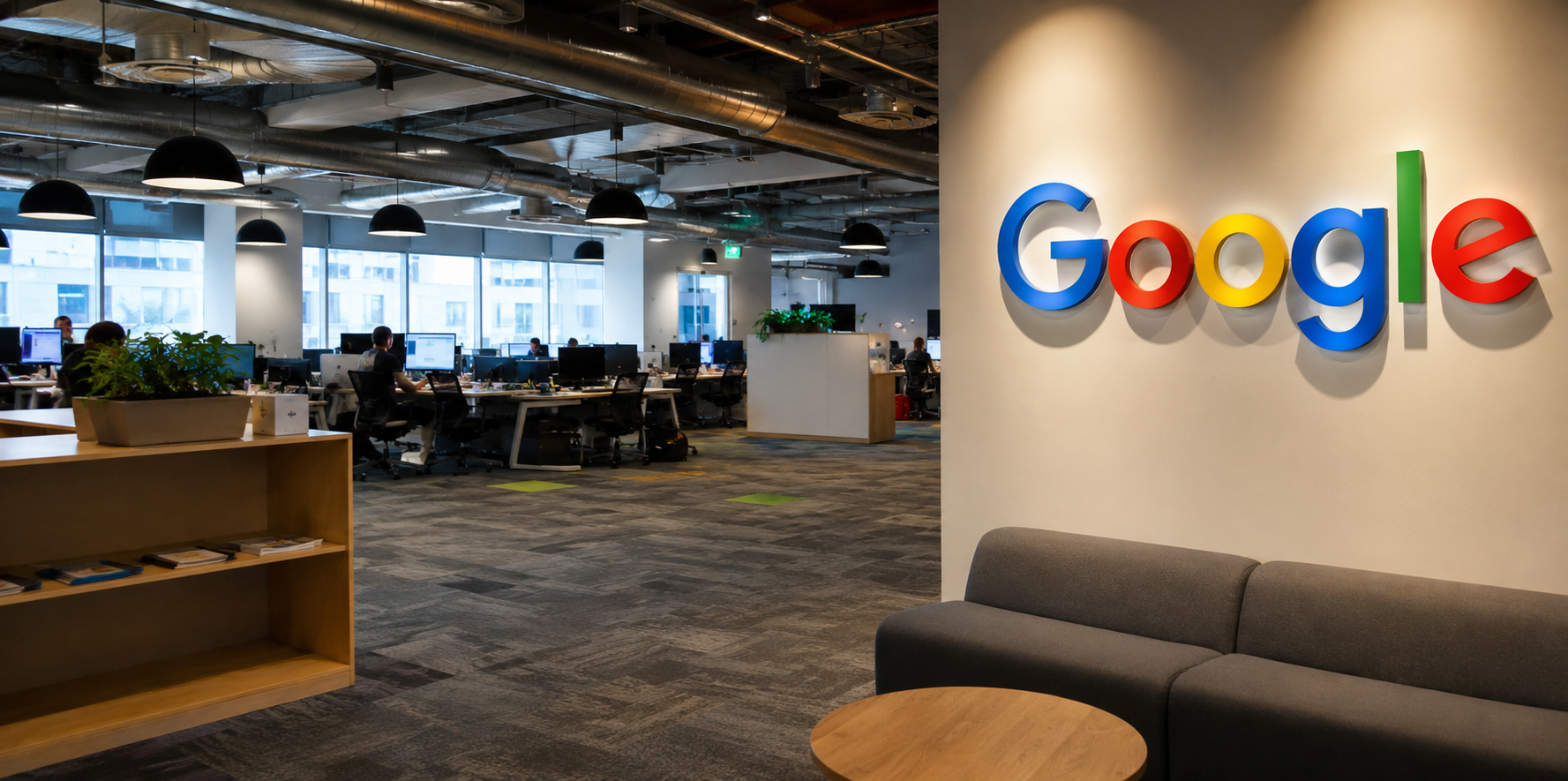
Alphabet GOOG shares rose 4.1% in trading on Monday as the Google parent began its first trading session as a member of the Dow Jones Industrial Average, replacing Verizon Communications in the 30-stock benchmark.
The index change, announced last week, marks a milestone for Alphabet.
However, because the Dow is a price-weighted index rather than one weighted by market capitalization, analysts do not expect the stock to receive the same boost from passive investment flows that typically accompanies inclusion in the S&P 500.
The stock also benefited from a broader rebound in technology shares after last week’s sharp selloff.
The Roundhill Magnificent Seven exchange-traded fund, which had fallen 13% in June through Friday and was on track for its worst month since its launch in April 2023, traded higher alongside several of its largest constituents.
Meta Platforms, Amazon and Tesla each rose more than 2%, while Nvidia and Microsoft gained more than 1%. Apple lagged the group with a modest 0.1% gain.
AI infrastructure constraints come into focus
Investor sentiment was also influenced by reports that Google has limited Meta’s access to its Gemini artificial intelligence models because demand exceeded available computing capacity.
According to the Financial Times, Google informed Meta around March that it could not provide all the Gemini capacity the social media company wanted to purchase.
The restrictions remain in place and have delayed some of Meta’s internal AI projects while prompting the company to encourage employees to use AI tokens more efficiently.
Several other Google customers have also been affected by the capacity limits, although to a lesser extent.
Meta has faced greater disruption because of its exceptionally high demand for Google’s AI models.
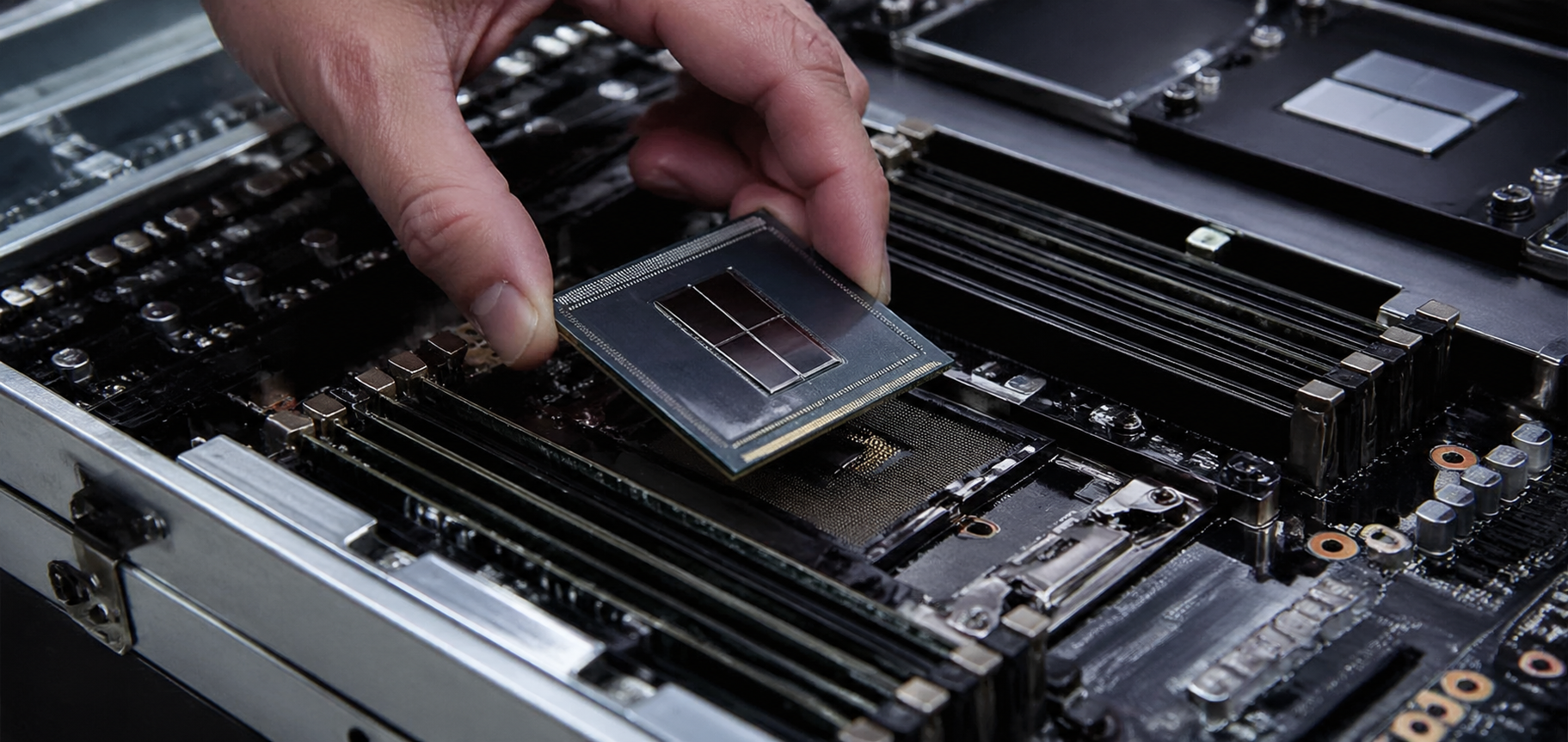
The restrictions highlight growing infrastructure bottlenecks across the artificial intelligence industry, where surging demand for advanced models has outpaced available computing resources despite massive investment in chips, data centres and power.
Google has moved to expand its capacity, including signing a $920 million-per-month agreement with SpaceX earlier this month to lease additional computing resources.
During Alphabet’s first-quarter earnings call in April, Chief Executive Sundar Pichai acknowledged the company’s capacity limitations.
“Obviously, we are compute-constrained in the near term,” Pichai said. “And as an example, our Cloud revenue would have been higher if we were able to meet the demand.”
Alphabet reported 63% revenue growth in its cloud computing business during the first quarter, its strongest growth since it began disclosing the figure in 2019.
The company also reported that its cloud revenue exceeded $20 billion for the first time, while its backlog of signed but undelivered cloud contracts nearly doubled quarter over quarter to more than $460 billion.
Technical picture remains mixed
Despite Monday’s gains, Alphabet’s technical outlook remains mixed.
The stock has climbed 96% over the past 12 months and continues to trade about 11% above its 200-day simple moving average of $314.41, suggesting that the longer-term uptrend remains intact.
However, near-term momentum remains weaker. Alphabet is trading 2% below its 20-day simple moving average of $359.34 and 4.9% below its 50-day simple moving average of $369.57, indicating that the stock remains in a recovery phase rather than a sustained breakout.
The 20-day moving average also remains below the 50-day moving average, a bearish crossover that suggests recent rallies have faced stronger selling pressure than earlier in the longer-term advance.
The post Why is Alphabet stock rising 4% today? appeared first on Invezz